Overviews
Creating Value Through Sustainability
ROCTEC integrates environmental, social, and governance practices into its core business to manage growth, risks, and long-term value creation. This includes the efficient use of energy and resources, responsible care for employees, customers, and communities, and transparent, innovation-driven business operations.
ROCTEC links its sustainability goals with its ICT Solutions and advertising businesses through greenhouse gas and waste reduction, workforce development and workplace safety, customer trust, personal data protection, and good corporate governance.



Our Sustainability Approach

ROCTEC places importance on operations that take environmental impacts into account, with a focus on improving resource efficiency and continuously enhancing its practices to support balanced growth alongside responsibility to society and communities.
- Energy & Resource Efficiency
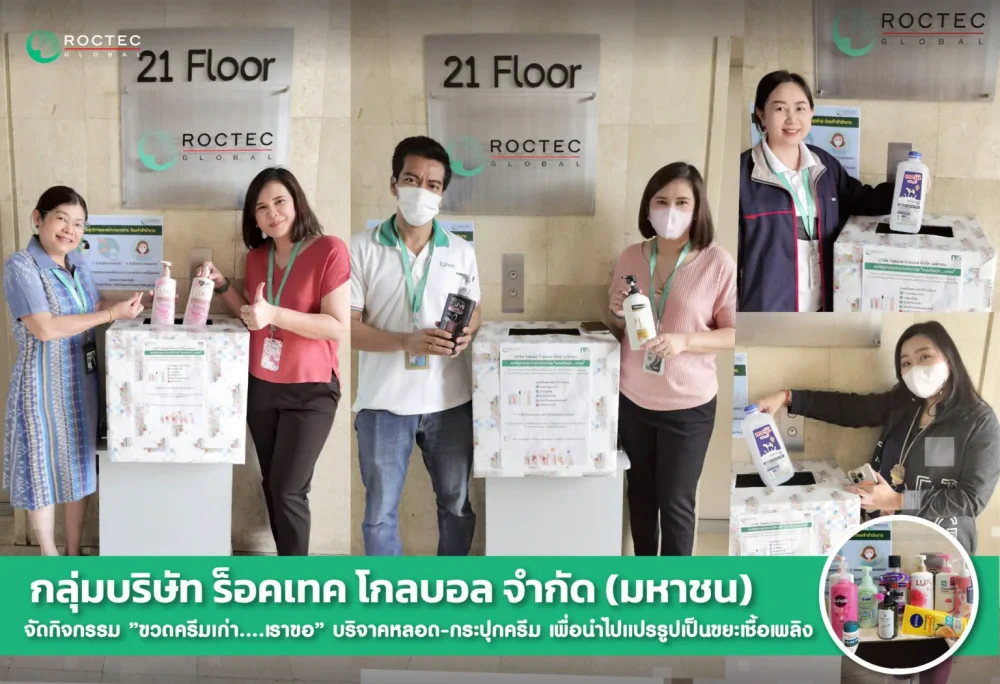
- Environmental Stewardship

ROCTEC strives to create an operating environment that supports quality of life, employee development, and positive stakeholder relationships, in order to create long-term value for the organization, customers, communities, and society.
- Human Right
- Safety, Occupational Health, and Well-being
- Customer Responsibility
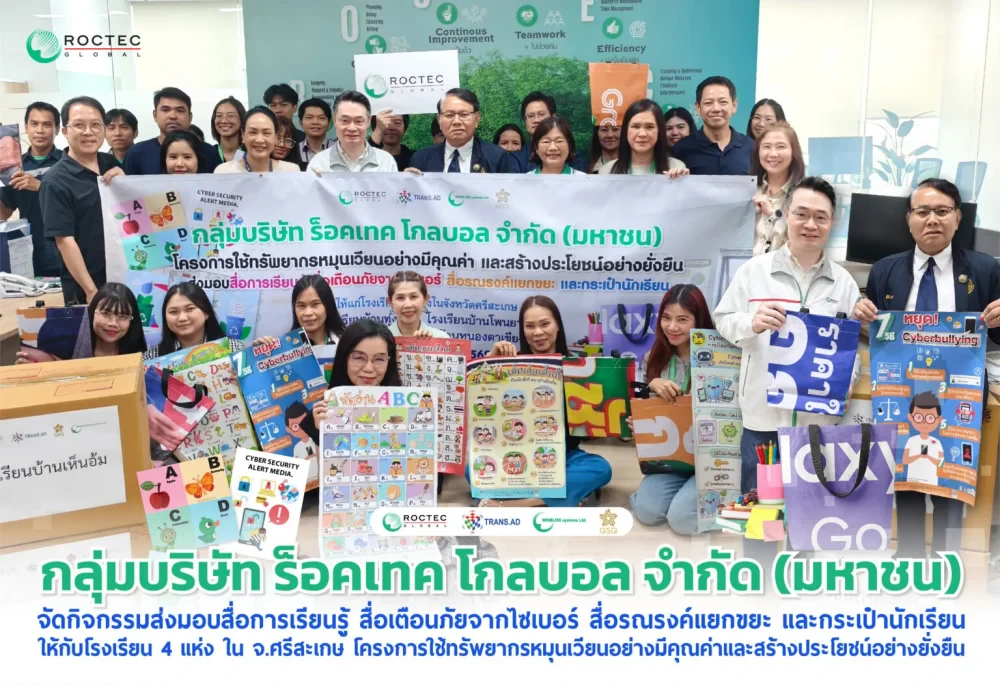
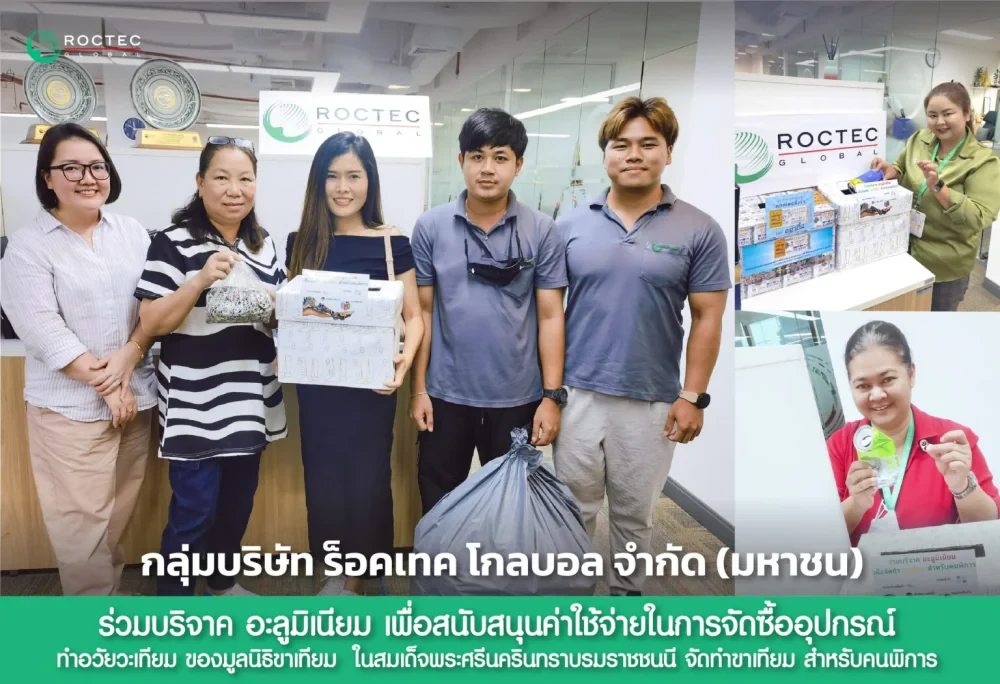
- Community and Social Development

ROCTEC operates with a business approach focused on stable, transparent, and responsible growth, while building trust among stakeholders and strengthening its ability to grow sustainably over the long term.
- Corporate Governance
- Personal Data Protection & Information Security
- Anti-Fraud and Corruption
- Risk Management
- Product & Service Innovation
Material Sustainability Topics
The Company conducts a sustainability materiality assessment every year to identify issues that are significant to the business and its stakeholders. The assessment considers the ESG framework, the business value chain, stakeholder expectations, and the principle of double materiality to define priorities, targets, and disclosures in a structured manner.
Review business trends, developments in the ICT industry, the sustainability context, and activities across the value chain to identify relevant internal and external stakeholders.
The Company gathers issues, needs, and expectations from employees, customers, investors, business partners, government agencies, and communities in order to group them into material ESG topics.
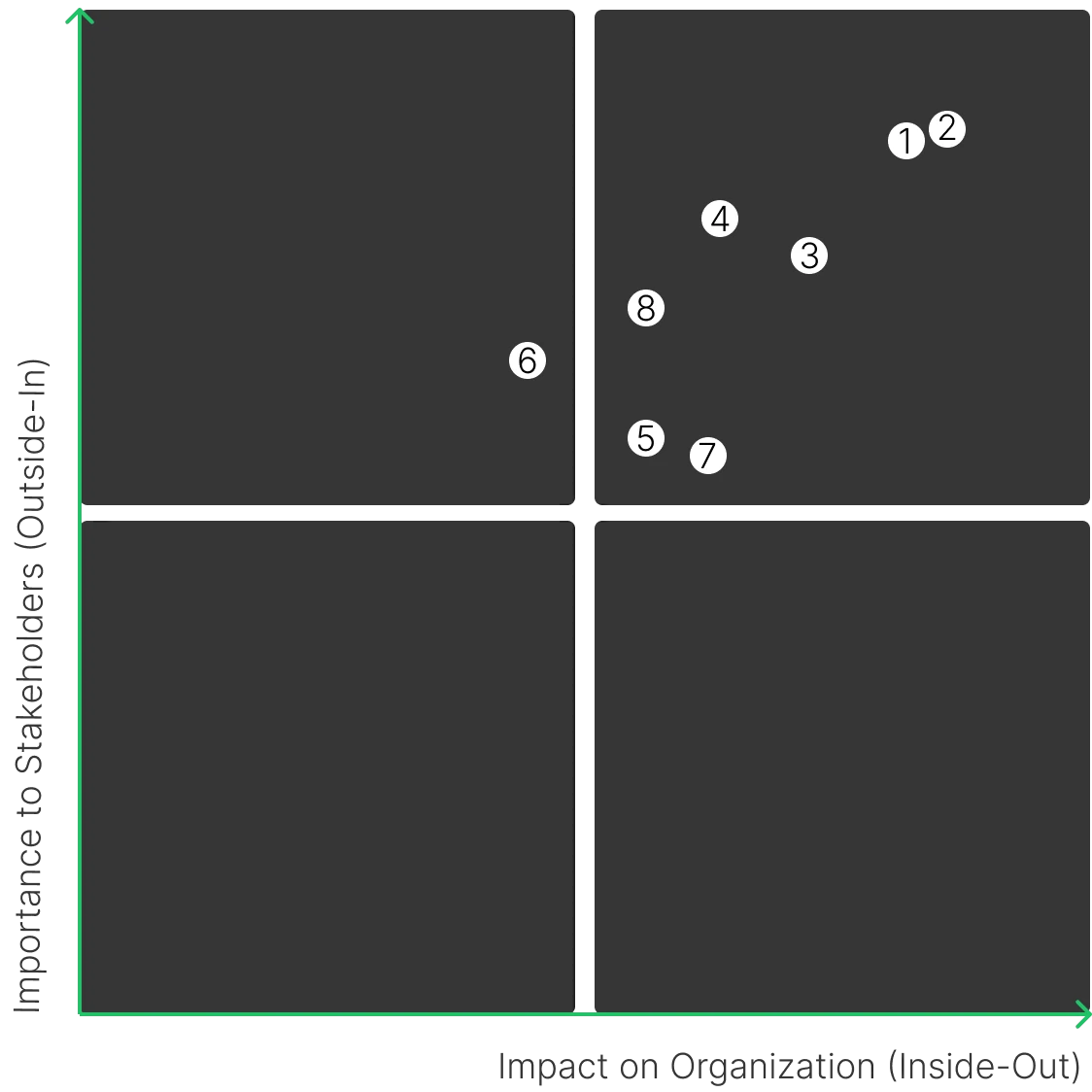
Identified issues are assessed across two key dimensions: their impact on the organization and their importance to stakeholders, under the principle of double materiality.
The average score of each topic is plotted on the Double Materiality Matrix and classified as Critical, High, or Medium before being reviewed by senior management for accuracy and alignment with the Company’s goals.