Thriving through customer centricity 2022 Global Marketing Trends
Executives are balancing productivity with increasing engagement with customers, employees, and society
We surveyed 1,099 global executives and 500 India consumers to better understand how top brands are meeting the needs of today’s customers.
Our survey of 1,099 global executives revealed that many are prioritizing productivity, digital acceleration, customer engagement, and employee wellbeing as top outcomes to achieve over the next 12 months.
Combined with the insights from 500 India consumers, we see seven trends rising to the surface that can help marketers refine their approach to meeting the needs of people inside and outside of the organization, better navigate their data and technological environments, and deliver more holistic experiences for the humans they serve.
Executive Summary
High-growth brands are ahead of their lower-growth peers in several ways, including activating purpose more holistically, measuring diversity, equity and inclusion (DEI) efforts across the organization, and deploying more sophisticated first-party data strategies.
1. Purpose—A beacon for growth
Consumers still prioritize price and quality when making purchase decisions. However, a deeper look shows purpose-driven purchasing criteria still exist—it’s just a more nuanced discussion. To cut through the noise and resonate with these customers can take a holistic commitment to purpose—and high-growth brands are doing just that.
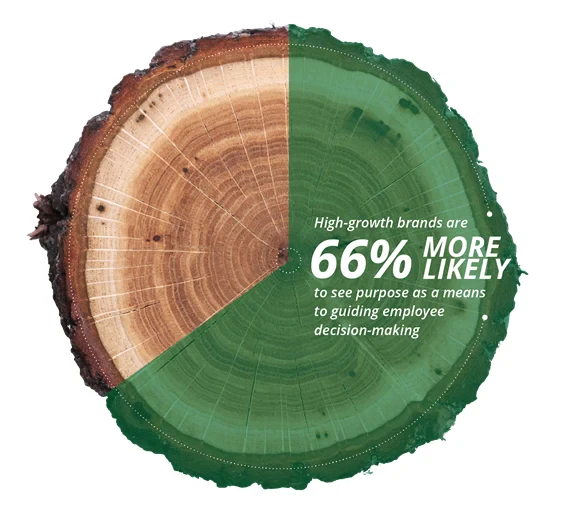
“High-growth brands are 66% more likely to see purpose as a means to guiding employee decision-making“
2. Authentically inclusive marketing
Younger and more diverse demographics notice diverse advertising. But it takes more than diverse advertising to win over customers. It can require a true commitment to DE&I—and high-growth brands lead the way.
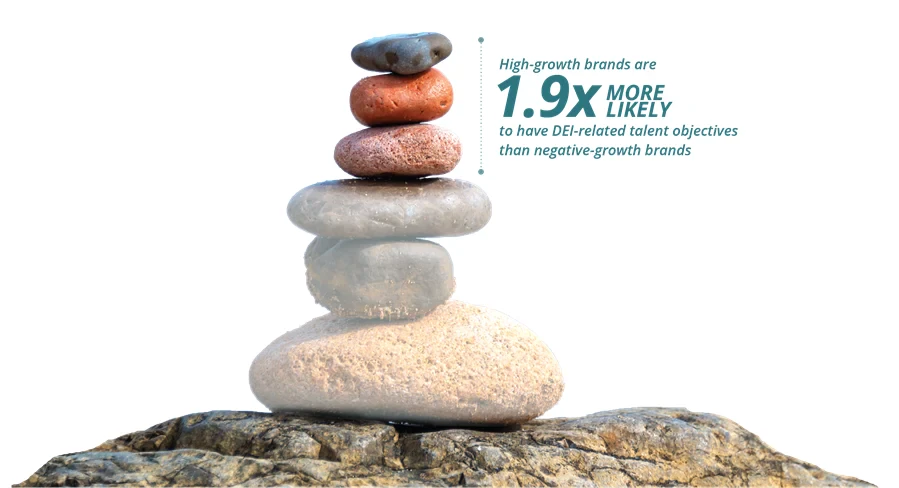
“High-growth brands are 1.9x more likely to have DEI-related talent objectives than negative-growth brands”
3. Building the intelligent creative engine
A majority of the college-educated workforce shifted to remote work during the pandemic. Marketers can integrate this new talent pool to fill skill gaps, bring in more diverse thoughts, and get geographically closer to their business partners.
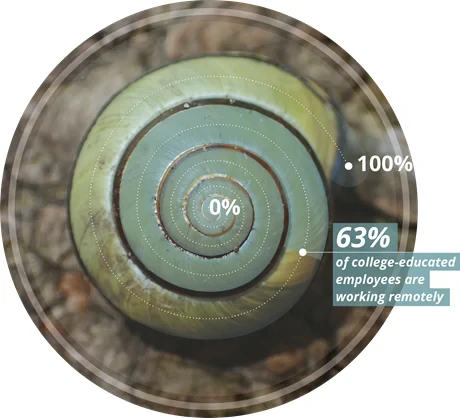
“63% of college-educated employees are working remotely”
4. Meeting customers in a cookieless world
High-growth companies are not only getting ahead of -their lower growth peers in shifting to a first-party data strategy, but they are also deploying more sophisticated use cases, including dynamic creative optimization and programmatic media.
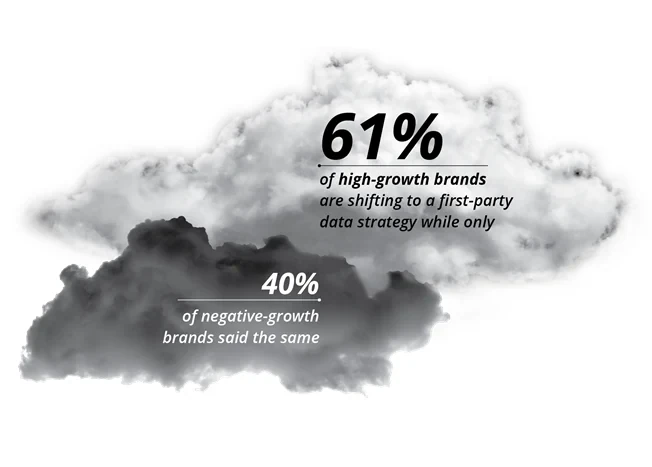
“61% of high-growth brands are shifting to a first-party data strategy while only 40% of negative-growth brands said the same”
5. Designing a human-first data experience
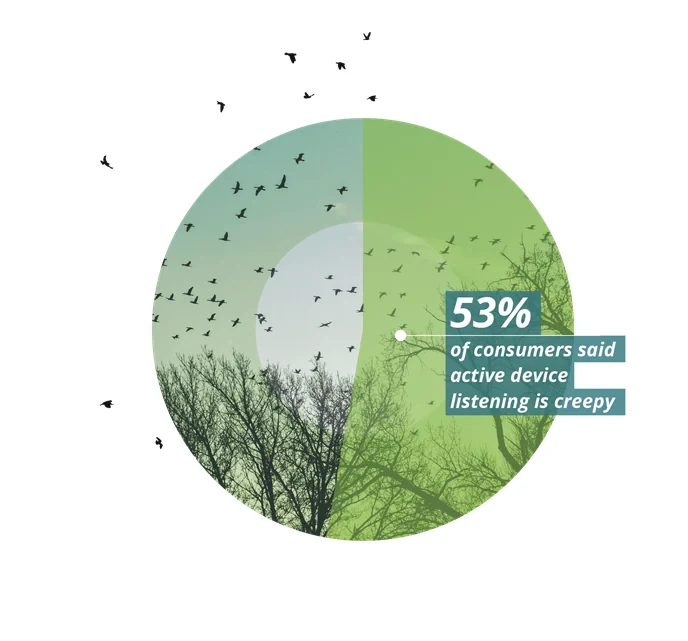
The most well-received—and trusted—customer data experiences typically start with strong brand relationships. They also rarely include some form of in-depth tracking, such as third-party cookies and geo tracking.
“53% of consumers said active device listening is creepy”
6. Elevating the hybrid experience
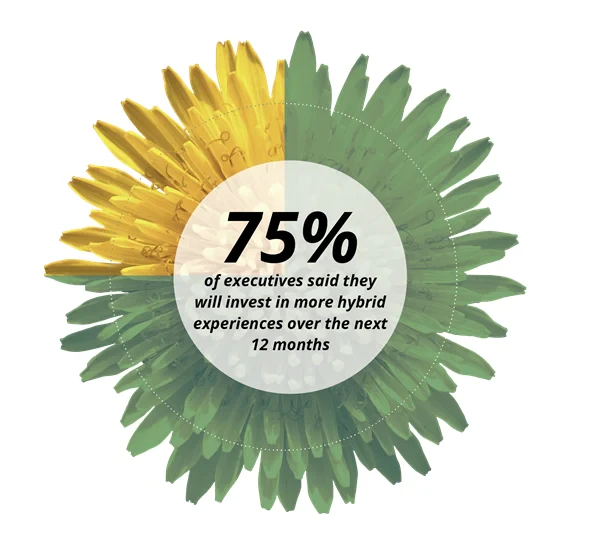
A majority of executives plan to invest more in hybrid experiences over the next year to increase their ability to offer personalization, greater innovation, and help people connect.
“75% of executives said they will invest in more hybrid experiences over the next 12 months”
7. Supercharging customer service with AI
When customers weigh purchase options, timely offers and knowledgeable customer service are the most helpful nudges. Brands can combine artificial intelligence (AI) and customer service to deliver a true end-to-end experience.
“The No. 1 most helpful tactic for spurring purchases: Timely offers”