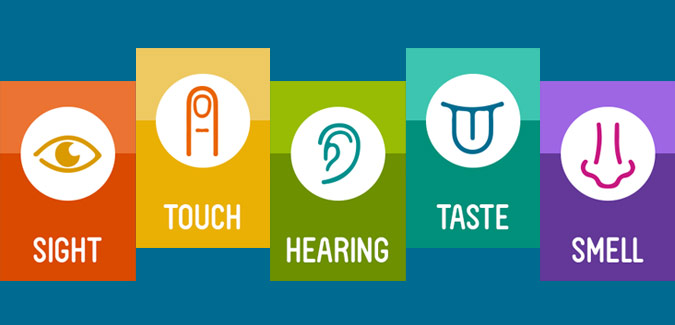
The brain decides which sensory data is relevant at that moment (short-term memory) or pulls on an emotional trigger (long-term memory) and so it is possible to influence shoppers by each of the 5 senses or by using combinations.
Understanding which senses they are using to buy what type of products goes hand in hand with neuro-linguistic programming (NLP). The result is a combination of analyses relating to the senses shoppers use to shop and those they use to mentally process information about a specific category, brand or product.
1. Visual Shopping (Sight)
2. Auditory Shopping (Sound)
Affirmative ‘good choice’ audio messaging at the point of purchase lead to a double-digit sales increase. Targeting the auditory sense of shoppers works best if developing a multi-sensory campaign. For example, after leaving the store, shoppers will recall 15% of what they read, this will rise to 20% if they simultaneously see and hear the same message. However, if the written words and spoken message are different but complement each other, then rate of recall jumps to around 70%.
3. Olfactory Shopping (Smell)
Influencing shoppers by way of olfactory stimulation has proved to be an effective and yet subtle method of communication. Fresh bread smells in the supermarket, freshly mown grass in the sports store and the scent of the latest perfume coming of the duty-free trolley in the aircraft are all example of conscious attempts to influence the sub-conscious of shoppers.
With regard to targeting this sense, it is important to provide shoppers with context so that they take away the intended positive emotional associations, instead of any unforeseen negatives.
For example…
In beauty categories when anywhere between 20% and 30% of shoppers smell the products as part of evaluation, it always surprising that some brands prevent this trigger to purchase by sealing the packs.
Another olfactory consideration is what the general smell of that part of the store such as a strong smell of curry in the lingerie department.
4. Touch Shopping (Touch)
While the other four senses (sight, hearing, smell and taste) are located in specific parts of the body, your sense of touch is found all over. This means that there are numerous ways to influence shoppers: Softer underfoot sensation will slow them down, colder and harder surfaces speed them up.
5. Taste Shopping (Taste)
Taste is the weakest of the 5 senses, so we need multi-sensory merchandising in-store.
The tongue (and roof of your mouth) has 3 areas of specialty: Bitter, Sour and Salty/Sweet. We have almost 10,000 taste buds inside our mouths, on our tongues and even on the roofs of our mouths. In general, women have more taste buds than men.
There are only limited opportunities to influence shoppers using taste. For example, the familiar tastings in supermarkets are a means to introducing shoppers to new products. More subtly are the types of taste test that tempt a shopper to buy more afterwards.
Source: https://www.sbxl.com