For all the difficult and devastating consequences of the pandemic, it has also taught us that a new and better way of working is possible. We’re learning that workplace flexibility and productivity go hand-in-hand, and many even found more meaning in their work during the pandemic than they did before.
In March, we asked over 4,000 global employees who had shifted from in-person to remote work at some point during the pandemic about their expectations and desires for the future of work. As companies and organizations navigate the return to work, they’ll need to recognize that people’s needs and priorities have shifted during the last year. Leaders have a unique opportunity to listen directly to their customers and employees and build on what they’ve learned during lockdown.
Flexibility is the future
The ability to travel, move, and live away from an office — while still working their jobs — gave many a flexibility they don’t want to give up after the pandemic is over.
While the majority of employees who switched to remote work said they preferred working from home at the beginning of the pandemic, they feel a little differently now. Here’s how it shakes out:
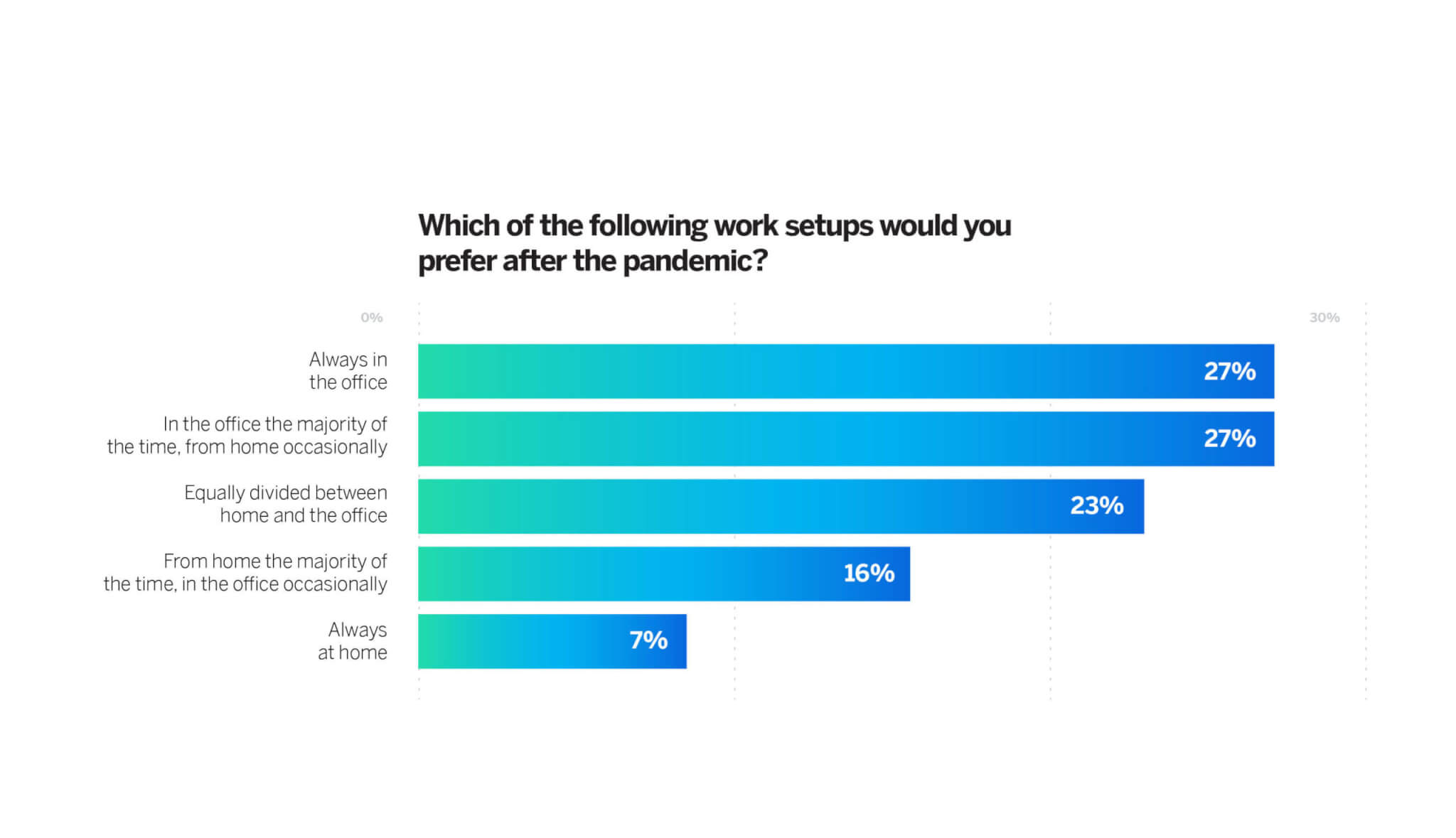
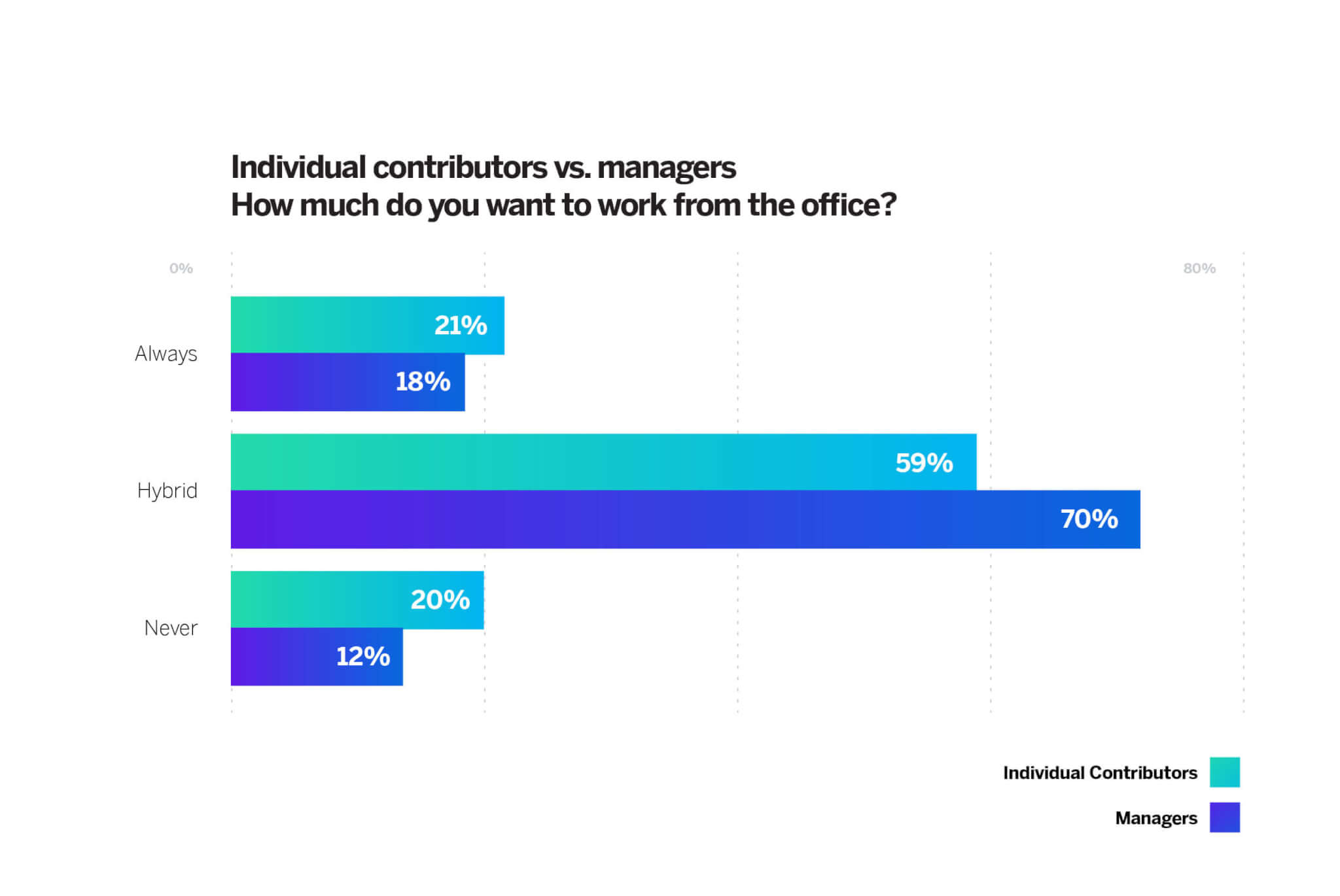
But these preferences change slightly depending on an employee’s role in their organization:
But no matter where an employee chooses to work, organizations can make the chosen workspace better by learning from the other:
Remote work made most of us more productive
The pandemic has taken a toll on us all. Some feel they logged on to work at the beginning of the pandemic and haven’t logged off since. But many also believe their productivity, purpose, well-being, and sense of community have improved at work since COVID-19 turned the world on its head.
Productivity:
– 55% of managers think their direct reports have been more productive, while only 16% report less productivity.
– 54% of Millennials and 53% of Gen Z say they’ve been more productive since working remotely, while only 34% of Baby Boomers say the same The top reasons for improved productivity were flexible schedules, no commuting time, the ability to focus on work with fewer interruptions, and privacy and personal space.
Purpose and Well-being:
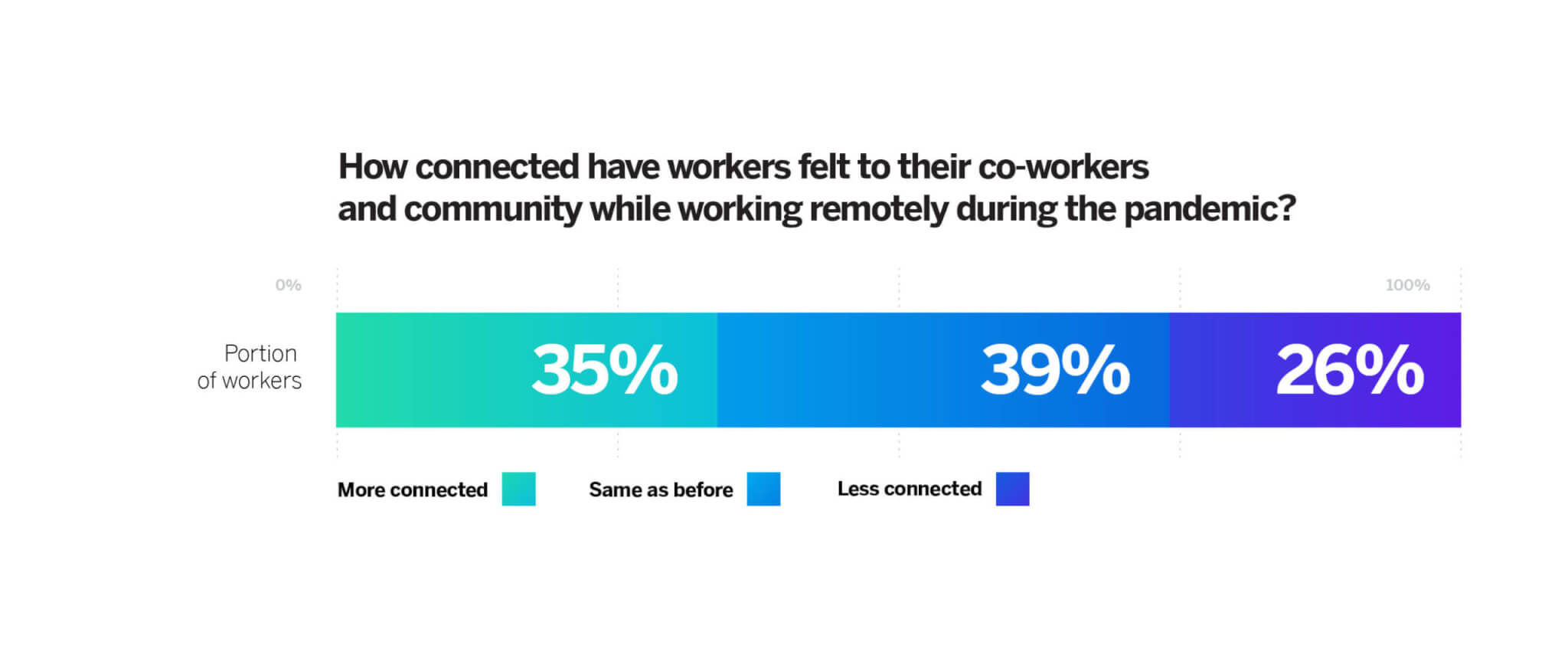
While 35% of employees say they feel more connected with their coworkers than before the pandemic, that number changes for different demographics:
We want some changes to stay — and others to go back to normal
When challenges come, we hurt, we fail, we learn, and we grow. The pandemic has given the world a chance to change where it should, and go back to normal when it can.
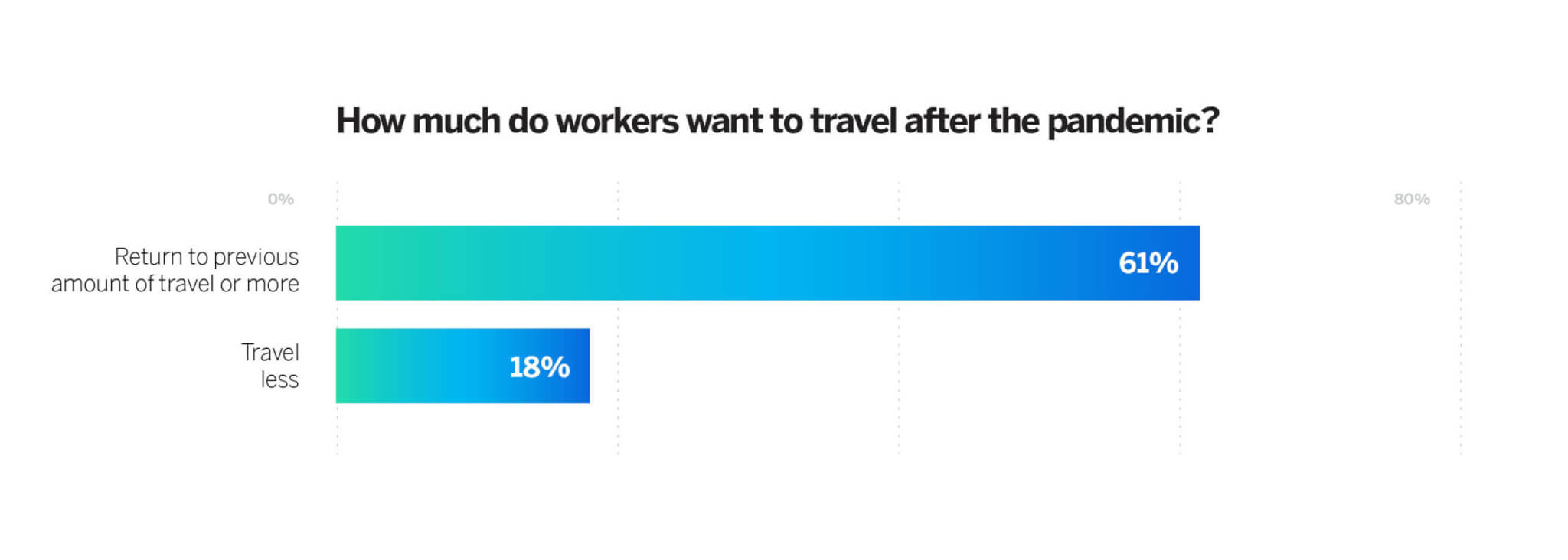
Some believe industries like healthcare, retail, and restaurants have improved over the last year, and many would like to see some pandemic-era changes stick around, including outdoor seating at restaurants, curbside grocery pick-up, and pre-ordered shopping. Business travelers, however, look forward to getting back on the road and in the air:
The pandemic has been long, difficult, and devastating, but it’s also created an opportunity to reflect and experiment in ways we otherwise may not have.
Organizations across the globe are rewriting their playbooks, and while one size won’t fit all, they can create better experiences by continuously listening to their employees, then taking action on the feedback they receive — now and in the future.
Source: https://www.qualtrics.com/blog/how-pandemic-changed-future-of-work/