Trying to predict what social media concepts should work is tricky even at the most predictable of times. The best we can do is look at what is working today and leverage whatever insight we can glean from it. With that in mind, here are some social media strategy examples of both big and small brands putting some great concepts to work, showing us what should work today.
1. The Virtue of Humor

One of the more talked about trends in social media has for years been the excision of anything even remotely funny from the way in which the vast majority of brands message their target audience.
We will get a tweet about this trend every few days from some of the biggest names in the industry, Fast Company ran an article on this back in 2017, but really, you don’t have to go out of your way to notice this yourself. Just think about the marketing messages you’ve been exposed to in the last year or so, even on social.
Don’t be fooled; humor in marketing is a superbly complex topic, especially during a global pandemic. The line that brands need to walk has never been thinner. Still, making a strategic decision to remove every hint of funny is not one to be made lightly.
Example #1 – Burger King France
One great example of humor in social media marketing during the pandemic has been Burger King France, who shared a recipe for the “Quarantine Whopper” back when worldwide lockdowns began.
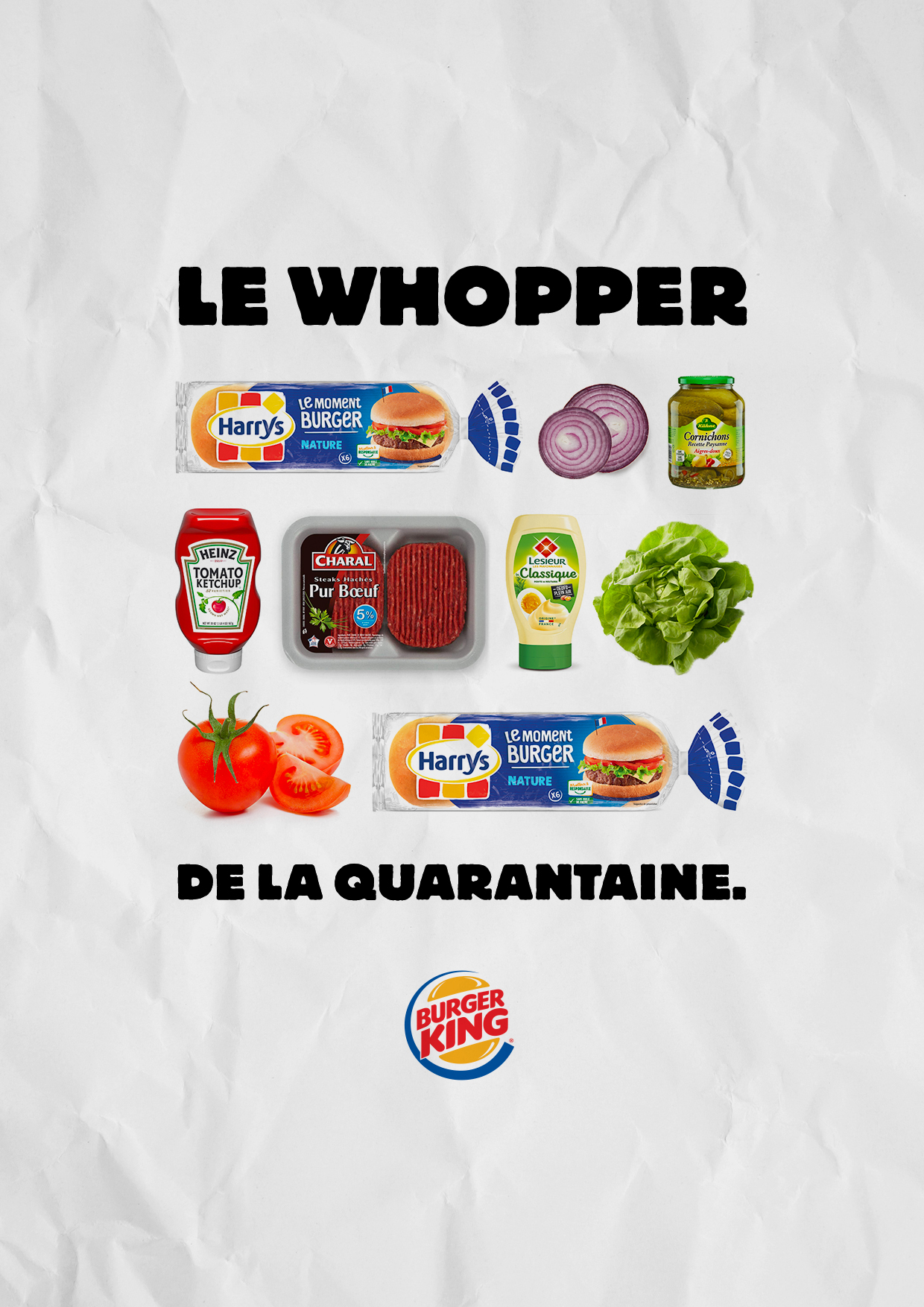
At first glance, it is just a witty yet appropriate acknowledgment of the situation by a global brand. It is more than that, though. For one, by putting super-crisp and fresh ingredients, Burger King suggested they use just as fresh ones when they make their burgers and other products. Also, you have to remember this was during the very early days of the pandemic, when fast-food brands still didn’t have an idea how the pandemic would affect them in the long run.
Example #2 – Oreo
Well known cookie brand Oreo is another great example of a company that regularly includes humor in their social media. With close to a million followers on Twitter the brand sticks to mostly fun and humorous messaging, which has served them very well in getting engagement from their followers.
Oreo also engages with other well known brands on social media in a humor filled way. This is a smart and effective strategy as it increases the brand’s reach and exposure to other audiences. In the example below Oreo, engaged in a conversation with the brand Steak-umm that generated a notable amount of likes, comments and retweets from the two brands’ followers.
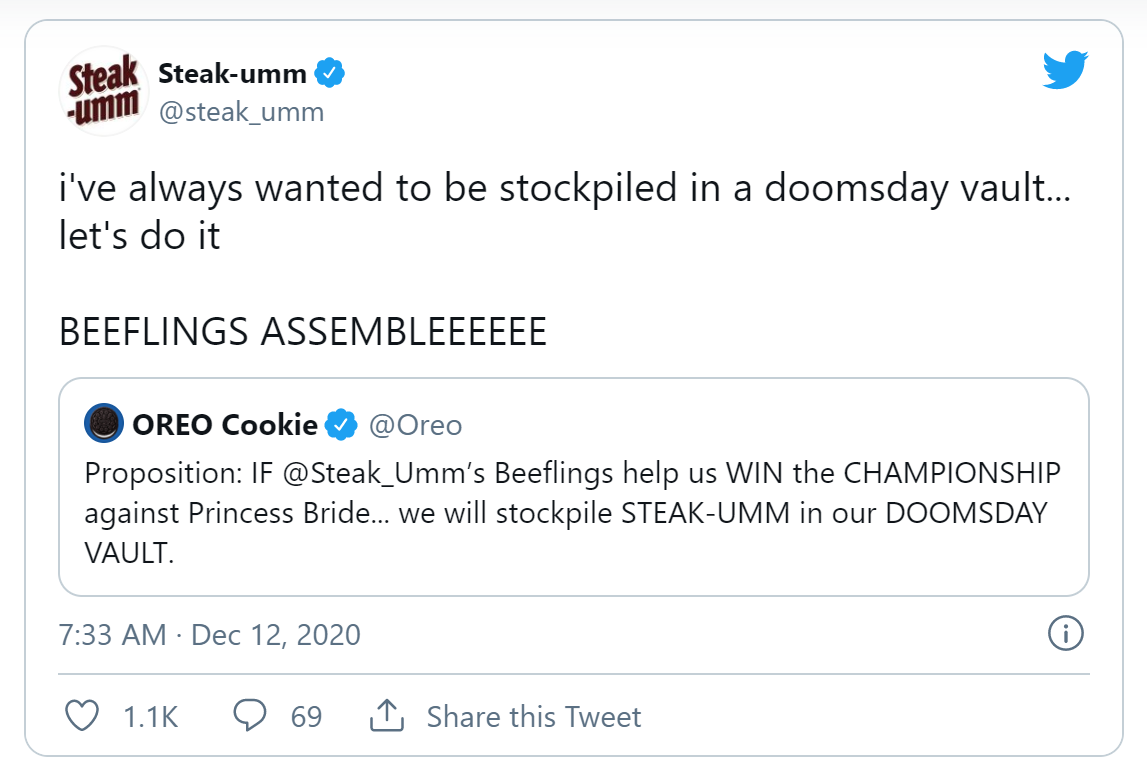
Once again, humor can be difficult to pull off depending on your brand, but you should also never make an outright strategic decision to banish it completely from your messaging. People will need some laughs in 2021 as well and using humor in your social media can be very effective if done well.
2. Influencer Marketing Done Right
The Covid-19 global pandemic hasn’t been exactly easy on influencers, many of which have struggled to do their thing, especially in the travel and lifestyle niches that were hit the hardest. However, to think that influencer marketing is dead or even in a big crisis would be overreacting.
Influencer marketing should always be part of your social media strategy considerations, even if you decide not to go through with it. Don’t think you can just throw money at a few influencers you think might be relevant to your niche. That’s because being effective at influencer marketing is hard work.
Example #1 – Timex
Timex’s #taketime influencer marketing campaign from a few years back became a classic for its simplicity and barebones approach. They reached out to a thousand millennial influencers from a dozen different countries, supplied them with their analog wristwatches, and then let them do their thing. Its 300% return on investment is still cited when people talk about influencer marketing campaigns.

Example #2 – Zoma
Oftentimes, the main reason why influencer marketing misses the target is that the brands are not quite sure who the best type of influencer would be right for them. Take Zoma, for example, which is a brand that sells mattresses. There aren’t exactly sleeping influencers out there. But instead of giving up on the whole idea, they went with people who need good, ergonomic sleep – professional athletes from some of the biggest sports organizations in their target market.
Their choice of influencers clearly has done so much good for them.

3. Getting Your Community Involved
When crafting a social media strategy, and for a number of reasons. For one, it can be amazing social proof for your brand. It is also a great way to have content that you do not have to produce yourself, which is always a welcome perk. As you’ll find out below, there are more than a few ways in which you can use UGC as part of your strategy in 2021.
Example #1 – Amazon
Amazon is a global brand that doesn’t have to look hard for brand mentions. What they do particularly well, however, is finding user-generated content that is more than just mere mentions. Take a look at this Tweet they republished on their Instagram:

It is a unique commentary on the aging process that mentions their brand. With a bit of elegant and funny copy, it becomes a great advert for, let’s face it, a very unsexy product.
Example #2 – Made.com
Made has made (no pun intended) user-generated content the cornerstone of their extremely successful Instagram profile (1.2m followers). Pretty much all of the content on their Instagram is showing off designs by their customers using their products.

This way, their potential customers can see their products in real-life settings, real people’s homes. Plus, they are never short of new content.
It does not matter who creates user-generated content – whether those are celebrities, influencers, your customers, or someone totally random. If the content is in line with your brand’s messaging, you can use it for great benefit.
4. Running Social Media Contests
Social media contests are somewhat maligned these days, with detractors claiming that people have become disinterested and that they don’t get involved. In reality, however, you can still benefit greatly from well-run contests that align with your brand and provide value to your customers in exchange for their engagement and activity.
Example #1 – Chipotle
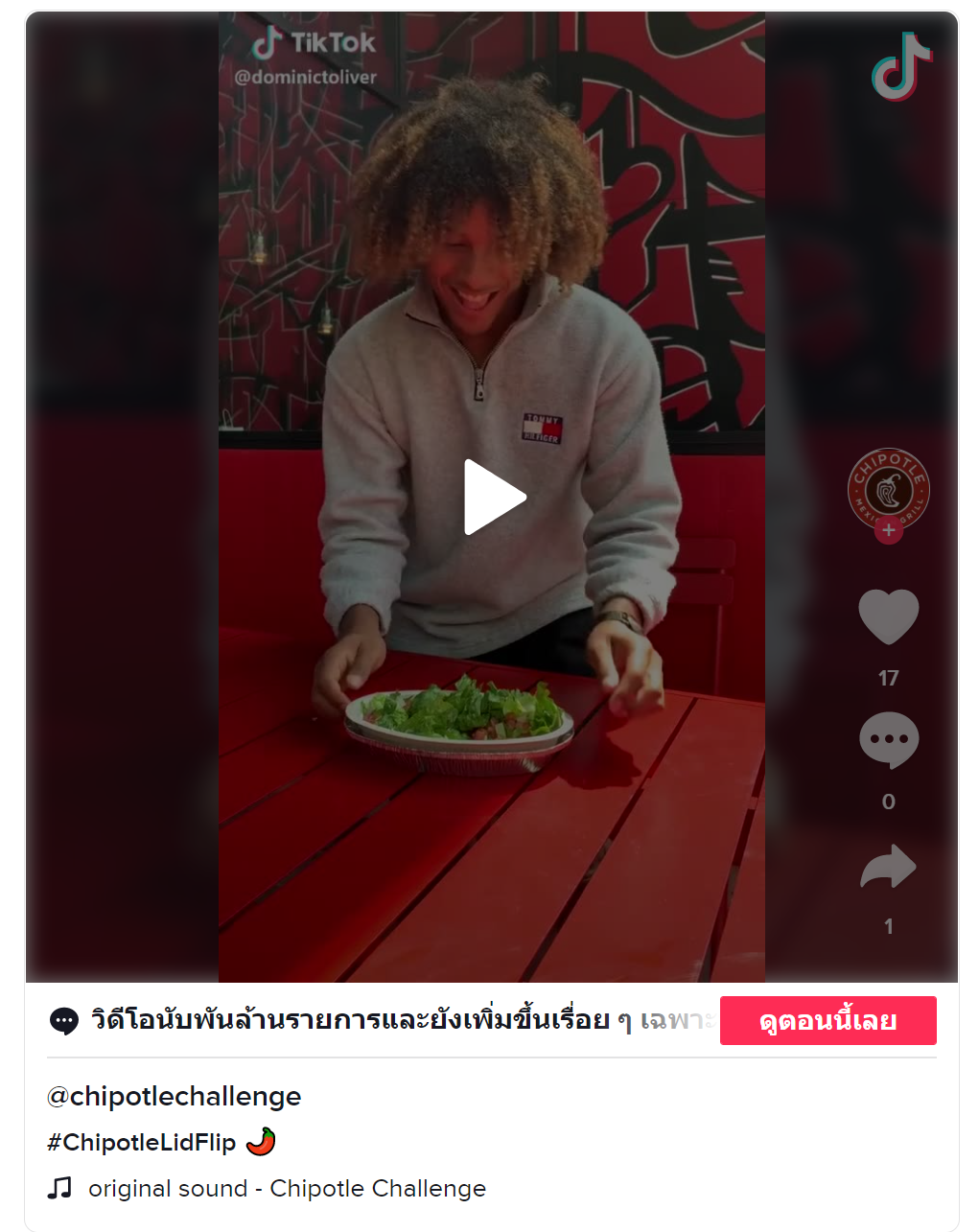
Mention social media contests to someone who follows the industry, and Chipotle is probably the first name they’ll come up with. They were among the first big brands to understand TikTok’s potential with their fun challenges that give them hundreds of millions of views. This is the kind of brand exposure that you get once in a lifetime if you are very, very lucky.
There are a few key principles you will find behind all of these social media strategy examples. They all boil down to fairly basic marketing strategy concepts: