With almost 8 billion people on the planet, one might think that just putting an advertisement out there is good enough. That couldn’t be further from the truth. Advertising trends shift each year and there’s a lot of factors involved. Change in preference and emergence of new technologies are just a few of them. Add to that the Coronavirus pandemic that struck the world in late 2019 and pushed advertising budgets down, then you truly have a lot of uncertainties to face ahead.
Even with these challenges ahead, the main objectives of advertising have remained. That is to inform, convince, and remind customers about a certain brand and its benefits. The only thing that is different now is that marketers are facing more uncertainties due to the pandemic and would need to be very agile in implementing advertising strategies moving forward. These are 8 Advertising Trends for 2021/22: Latest Forecasts You Should Know.
1. Video Advertising
Video advertising is still the top marketing medium today, with 86% of businesses leveraging them as part of their strategy (Wyzowl, 2021). Not surprising since it has already been big since the television era. The rise of the internet, computers, and mobile devices only provided more platforms for video ads to appear. It’s probably still going to be one of the most important advertising trends in the next 5 years.
The ever-growing shift to mobile devices has rendered many types of marketing campaigns to lose their touch. It’s because email newsletters, long sales pages, and others are more difficult to read on a mobile screen. And since video is a format capable of conveying a message consistently across different platforms, it became a marketing staple.
There’s a lot of options on where to place a video advertisement in this modern time. YouTube may be the biggest video platform but social media sites are solid choices for video ads as well. Advertisers are taking advantage of the large user-base of Facebook, Twitter, and Instagram for their video marketing campaign.
It’s not just the platform where videos can be placed that has changed. The format itself is undergoing rapid transformation because most people watch for content and not for production quality. That’s what challenges major business brands the most. It’s also the reason they are always on the lookout for changes in video advertising trends.

Video Advertising Trends:
2. Personalized Advertising
This isn’t a new trend but it’s one that’s sure to grow as days pass by. That’s because there is an increasing number of methods for learning more about the customers and what they want. This includes tracking of clicked links, customer behavior, purchase history, survey responses, and more.
Businesses are now trying a more people-based approach. This means that ads will now be geared towards targeting real people through emails and other registered user data. With more information available, marketers can provide customers with a better offer that’ll most likely translate into sales.
Targeted marketing isn’t confined to just a single form of advertising. It can be applied to practically any form—video, social media, TV, display, and even print advertising. This gives marketers a plethora of options for making sure that only relevant audiences receive their ads.
Finding out which people to show a particular ad to and the right time to show them is crucial. There are different approaches when it comes to that. This includes Database Marketing, Search Engine Advertising (SEA), Geofencing, and display targeting among others.
Is targeted advertising effective?
3. Mobile-First Advertising
Just last year, more than half of the online traffic around the world came from mobile devices. When COVID-19 struck, global smartphone use surged to 70% (Statista, 2020). Most consumers used their phones for a significant portion of their shopping, browsing, and entertainment experience during stay-at-home advisories and country lockdowns. This resulted in brands making the move to ensure that their services, sites, and advertisements are mobile-ready.
Stories, which made Snapchat really big, are also now huge trends in other social media platforms like Facebook and Instagram. And while they do work on desktops, they’re mostly marketed for mobile phones. Advertisers took notice of this and also started publishing ads in the story format. It’s especially true for Instagram stories because they work perfectly for business brands. This is evident by the fact that 33% of the most viewed Instagram stories are created by brands (Search Engine Journal, 2019).
Another big use of mobile advertising is through games. A lot of mobile games are created with the format of being able to purchase resources with real-world money. This provides users with numerous in-game benefits. However, a popular way to acquire some of those perks without paying is through watching an ad. This gives brands a good way of promoting their apps or games since this advertisement form has a high completion rate.

What are the benefits of mobile marketing?
Display Advertising usually refers to visual advertisements using ad banners. It comes in a wide variety of shapes and sizes. The banners can also be deployed on various channel types such as blogs, video platforms, apps, social media, etc.
Just within the last few years, display advertising trends have undergone an impressive array of innovations. First, it allowed advertisers to target keywords used by consumers. Then, it was able to catch relevant information regarding the users and their interests. And last but not least, remarketing.
Remarketing means approaching users who already have a visit history on the site, thus there’s some known information about them. Marketers can then use that information to create custom messages or content that’ll match the target audiences’ interests. Next step, profit. display ads that have a video embedded in them rake in an 18.4% higher CTR.
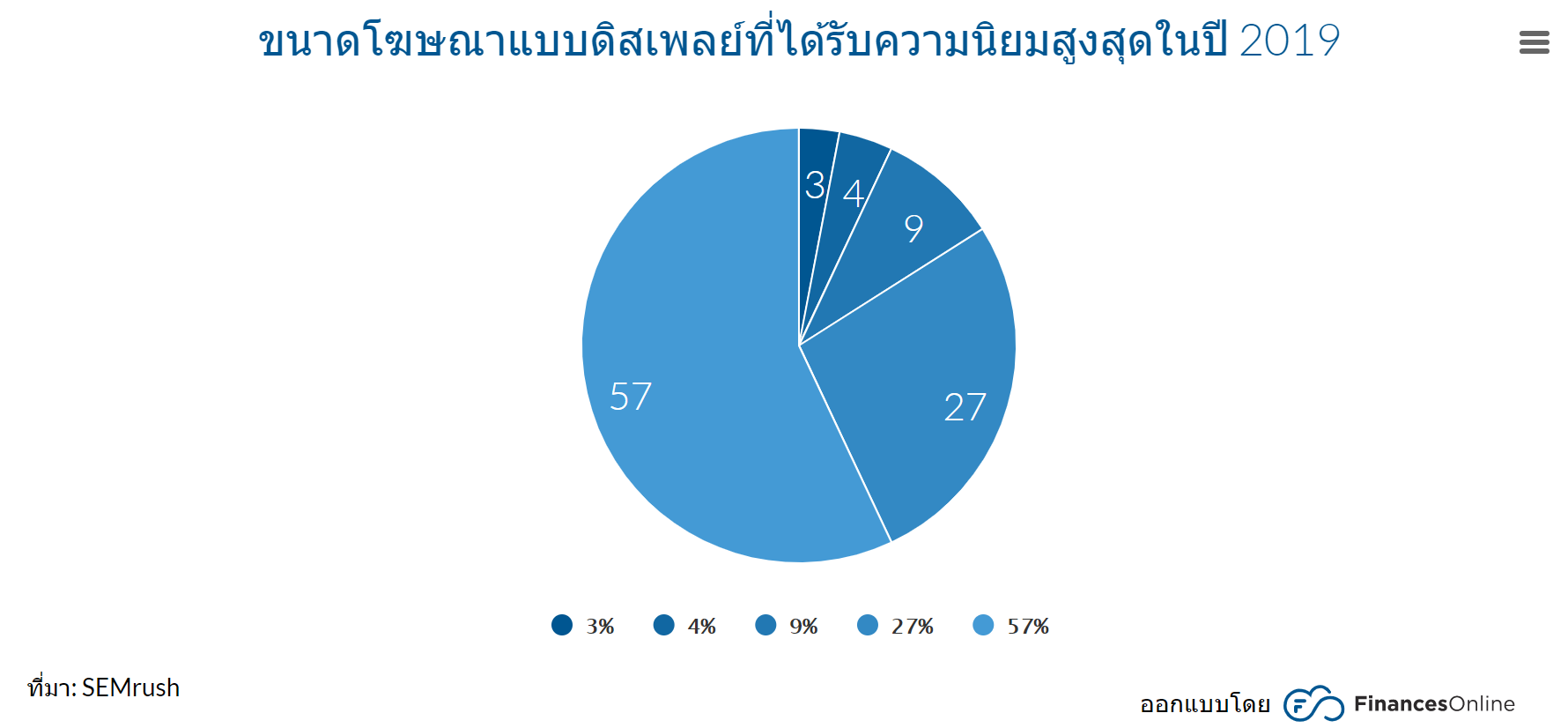
Display advertising trends:
5. Print Advertising
First thing first, print advertising isn’t dead. It has silently made its moves in order to innovate to keep up with the digital world. However, the qualities that made it an effective medium – being trustworthy – never changed.
Think of when you read about the death of a celebrity in a newspaper. The first thing that’ll come to mind is sadness and sympathy. However, when reading online, the usual first impression is, “another hoax!” That’s one of the key differences that makes print advertising trends still worth looking into.
Another interesting aspect that makes print media still a big thing is the human’s love for tactile experience. This is now truer than ever since the digital era has begun. The feeling of being able to touch something provides a comforting feeling that its digital counterpart can’t. Thus, something tangible like print media is a good way of building connections and credibility to your audience.

Popular Print Advertising Trends of Today
6. Social Advertising
Social advertising is the use of Facebook, LinkedIn, Instagram, Twitter, and other social media platforms for advertising potentials. There are some benefits to paid social media advertisements. One is the sheer number of audiences that promotion can reach. As of January 2020, the number of social media users worldwide was 3.80 billion (We Are Social, 2020). That number is projected to grow to 4.41 billion by 2025 (Statista, 2021). Aside from the potential reach of social media based on users, it’s also the perfect place to build your business or professional network by creating a page for your brand.
The options related to social media advertisements have now exploded too. LinkedIn and Facebook offer a remarketing capability to advertisers. There’s also now an option for sending private and sponsored messages to targeted customers. The receivers can be grouped through interests, demographics, or even a custom list.
Facebook is by far the biggest social media platform. That’s why it’s not surprising that advertisers are continually finding ways to use it as a marketing tool. One effective way of utilizing Facebook is by placing a short ad within popular or live videos. It has a high completion rate too, partly because most of them aren’t skippable. We can attribute a big chunk of its success to the videos that focus on engagement and brand awareness.
Another major highlight of social advertising is the use of popular social messaging apps. People spend a lot of time conversing with each other through these tools that marketers decided to leverage. Now, these apps aren’t just for sending messages and emoji cause it’s also a place to find advertisements relevant to users.
What are the pros and cons of social media marketing?
7. Programmatic Advertising
Programmatic advertising uses AI to automatically buy ads that can target audiences more specifically. This process which involves a lot of automation is faster and more efficient compared to traditional advertising. This also translates into lower acquisition costs of customers and a higher conversion rate.
One of the main factors why companies shift to AI-driven ads is the increase in the number of channels for reaching customers. It’s getting harder even for a full-fledged advertising team to keep up. Therefore, programmatic platforms that are capable of using lots of targeting signals for individualizing advertisements are the perfect solution.
The big difference between traditional and programmatic advertising is that the latter can take place in real-time. It’s not an approach confined in digital space, however. It can be used for selling and buying various media types as well. This includes Out-of-Home (OOH) and display ads.
Programmatic advertising is a combination of big data processing, technical skills, and automation. That’s why it’s not a hundred percent automated method since it still needs human capital. Regardless, however, it’s still one of the online advertising trends to keep an eye on.
There’s a series of exciting trends that are transforming programmatic advertising as we know it. It includes the introduction of blockchain, 5G network, over-the-top models, voice-activated ads, and more.

Current trends in programmatic advertising
8. Increase in Search Ad, Social Media Ad, and Video Ad Spending
As we cited earlier, the COVID-19 pandemic caused a significant drop in ad spending; however, experts also predict that budgets for search ads will rise since consumers are moving their shopping activities online.
The rise of new technologies also provides new opportunities for advertisers to explore. It would continue the trend of growing each year and this set of advertising statistics supports the conjecture.
Video ad spending will continue to bloat as more consumers are going mobile. More companies would be adopting non-skippable, six-second, vertical advertisements for their marketing schemes. More optimized ads together with larger budgets will take advantage of video advertisement’s ever-growing potential.
Social media and e-commerce solutions are also growing at a frightening rate. Instead of getting overwhelmed, however, forward-thinking individuals are using the two simultaneously for maximizing sales opportunities. A fine example of this is Instagram’s shoppable posts. This allows businesses to connect their store straight from the social media’s “Buy” buttons.
Growing ad spending could indicate an interest in a particular platform. However, it could also mean an increase in expenses for promoting a brand. While ads provide an increase in ROI, especially when handled right, an increase in its spending also signals fiercer competition. That’s why it’s advisable to not rely on a single platform alone for an entire marketing strategy.
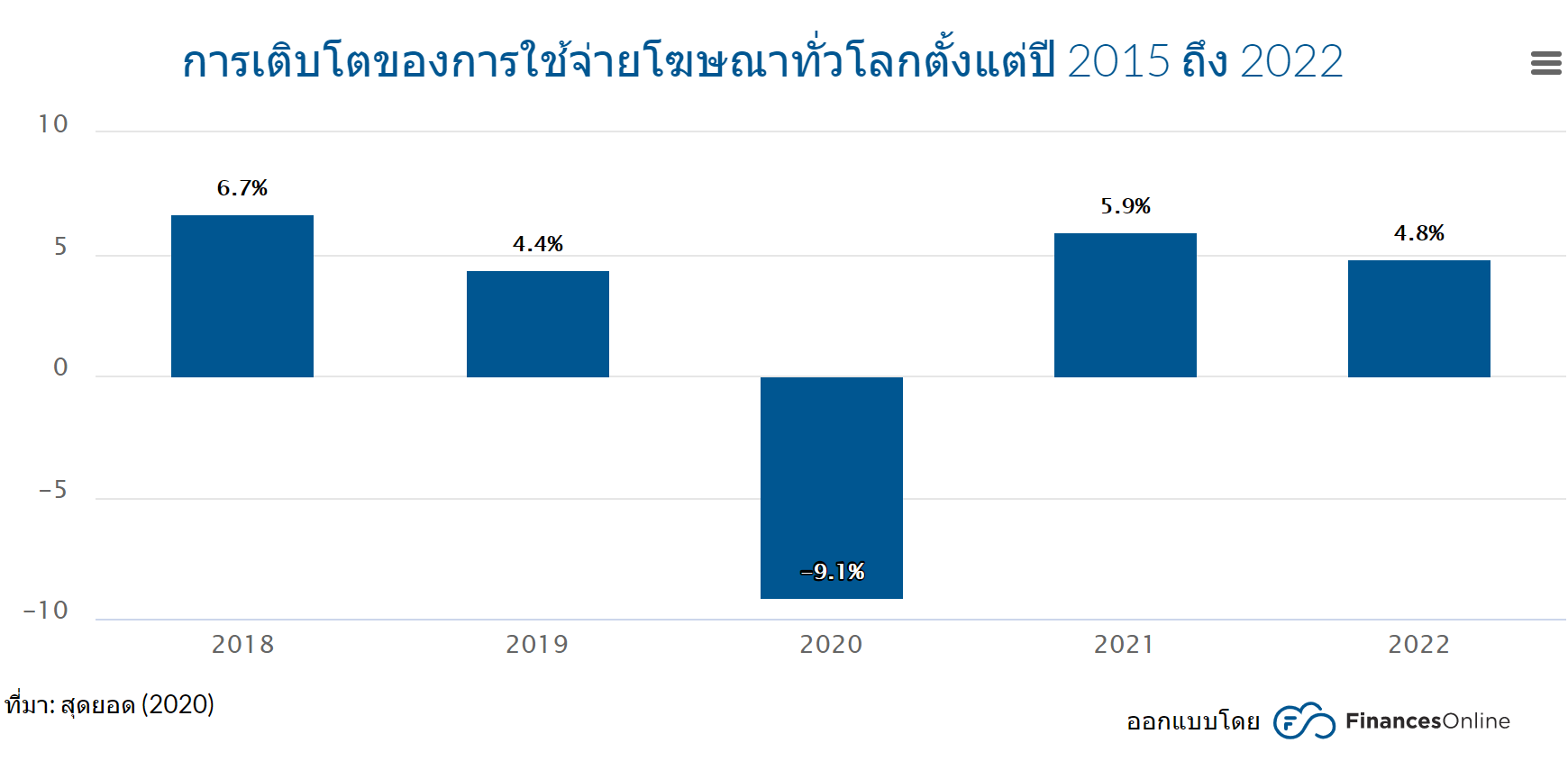
Ad Spending Statistics
Advertising Trends are Always Changing
With the many technological developments taking place and the uncertainties of COVID-19, marketers need to be on their toes and make sure they align their advertising strategies with the latest trends. Where, how, and when you advertise will constantly change with the times. That’s one thing we can count on.
If you own a business, this is a good opportunity to try and find a sweet marketing spot for you. If you’re a customer, make sure to not fall for deceptive advertising so as not to waste your hard-earned money. And if you’re a marketer, then you’ll always have to be on your toe because it’s your responsibility to keep up with these trends.
Source : https://financesonline.com