Media consumption has changed significantly in the last year and marketers are looking to capitalise on the newest media consumption trends for 2022. Some of the key questions around this topic are to do with where the target audiences spend time and what do they do?
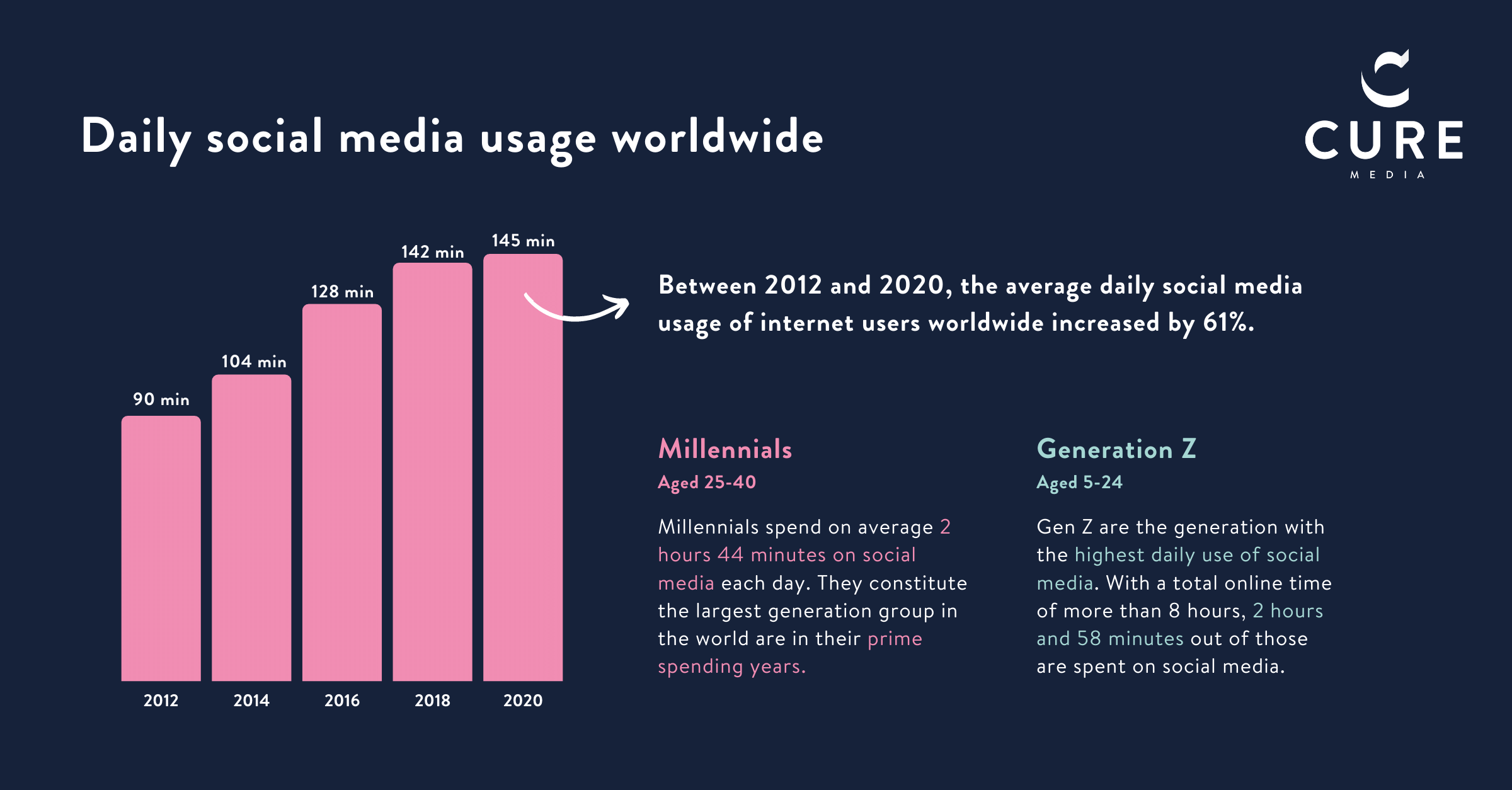
This year we’re going to focus on women Millennials (aged 25-40) and Gen Z (aged 5-24), specifically focusing on how marketers that target these audiences can benefit from the latest media consumption trends. to keep in mind before we start is that not only are they the most coveted audience online right now, they are also the ones with the highest time spent on social media, spending approximately 3 hours a day and counting. Even though a part of Gen Z are still very young, the majority of this generation aren’t kids anymore. In fact, they have huge purchasing power.
1. Cause-led marketing (that matters)
Millennials and Gen Z are the biggest driving forces behind cause-led (or purpose-led) marketing, which is all about using marketing tactics to speak to, elevate or drive a higher cause. It might be raising awareness about environmental issues, speaking to concerns around social justice, or any kind of humanitarian cause that consumers can get behind. This is definitely a bigger driving force behind consumers purchasing decisions that we are going to see more of in 2022.
Due to the pandemic. People are looking for something positive or good to invest in. Today, mass production has driven the pricing war race to the bottom and as a result of this culmination, brands have been forced to find new ways to differentiate. Unfortunately, this led to brands undercutting each other. That’s where cause-led marketing comes in and the “why” behind the fact that brands in 2022 need to find new ways to stay relevant.
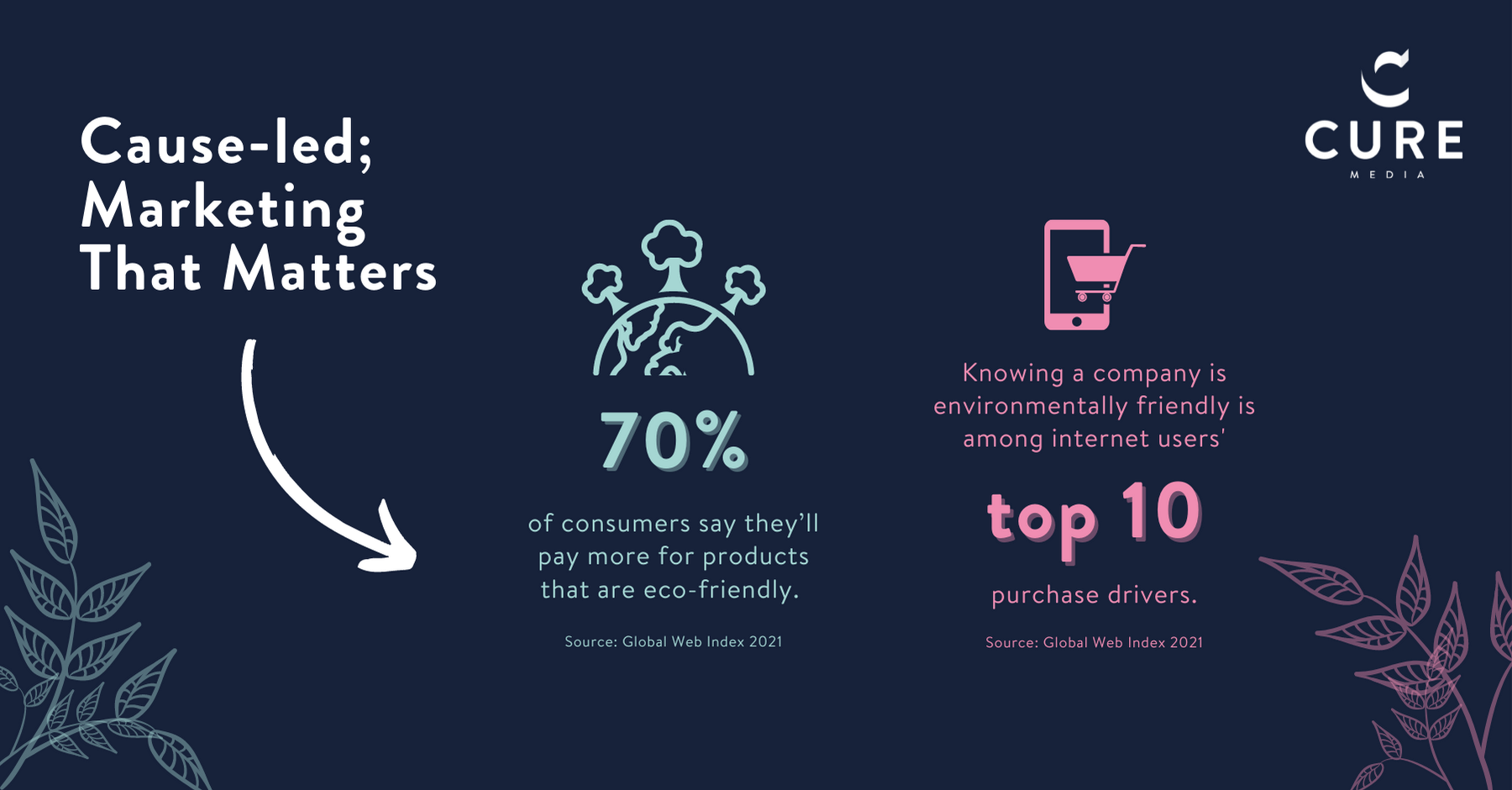
Looking at the numbers, research on this topic shows that consumers already want brands to have a cause-led approach, they are not just expecting it. 53% consumers want to shop from brands that reflect their values, and when talking about Millennials and Gen Z, this figure grows to 64%.
Looking towards environmental issues, knowing a company is environmentally friendly is among internet users’ top 10 purchase drivers. It doesn’t have to cost you more money to grasp more responsibility; 60% of internet users in the UK and US actually say they’ll pay more for products that are eco-friendly.
A good example of cause-led marketing is the Superbowl ad with Serena Williams for the online dating app Bumble around female empowerment. Serena has already outspoken matters of feminism and racism which makes it a perfect fit for cause-led marketing because of the authenticity of the collaboration.
Another successful example is from the hair care brand Pantene. They won the category at IMAs with the campaign “My Hair Won’t be Silenced” where they collaborated with influencers for the purpose to end afro discrimination. This initiative got +1 million impressions on social media.
2. Authenticity in marketing is capturing consumers’ hearts
Authenticity is key in 2022 to reach consumers. The last couple of years have made people shift their focus from a polished feed and brand-to-peer communications towards true role models and peer-to-peer communication. This coming year, the consequences of failing to read the room can be severe – this applies to brands and influencers alike.
Authenticity is the USP of influencer marketing. We know that consumers trust what an influencer says about a brand much more than what a brand says about themselves.
The appetite for authenticity and content is continuously growing on social media. Engagement rates are climbing for less polished formats like Instagram Stories and Live streaming. This is because people want to see real, genuine and authentic content that resonates with them.
One of the keys to achieving authenticity in marketing is consistency, To reach a high level of authenticity, the first steps in the influencer marketing process are very important. When looking at influencer selection, make sure you’re going back through the influencers feed, through their historical data, their engagement data and check that the previous content they’ve been sharing makes sense for your situation.
Let’s say you want to promote your range of reusable fashion. Don’t pick an influencer with a feed consisting of fast-fashion. For the influencer, a collaboration with your brand probably doesn’t fit within their narrative. For your brand, the collaboration is going to feel like a miss-match and lose it’s core – the authenticity. We can’t stress this enough: make sure you work with influencers that are relevant to your audience and your topic.
Taking this one step further, 15% of influencer marketing ad spend is wasted on inflated accounts. There’s no surprise in 2022 that accounts on social media are buying followers and engagement. But to minimise the risks of your brand hopping onto a collaboration with these accounts, you need to ensure you work with accurate data. With this data you will be able to get real insights to influencers statistics and data.
3. The eCommerce jump to social media
According to research from IBM, the pandemic in 2020 jumped eCommerce forward by five years. This shift was already ongoing, but now it has become a reality much sooner than any of us expected. With this quick shift comes changing consumer behaviuor. Instead of going to the grocery store, we ordered food online. Instead of browsing through physical stores, we turned to social media to get inspired. Younger generations were already tuned in to these behaviours – it has already changed to become more about consumption and less about contribution. Additionally, the older generations have recently discovered the possibilities of social media – the pandemic revealed to skeptics that it’s actually quite convenient to discover, scroll, learn, socialise and shop online!
Social platforms are working on making users stay on their platforms throughout the entire purchase journey. They do this with features that makes it possible for brands to connect their products catalogue to ads, live streams, digital storefronts, influencers posts and maybe most important – the “Checkout” feature which means users can buy a product without having to visit a third-party website.
Your goal in 2022 should be make sure you have a strong brand presence to be able to cut through the noise of your competitors.
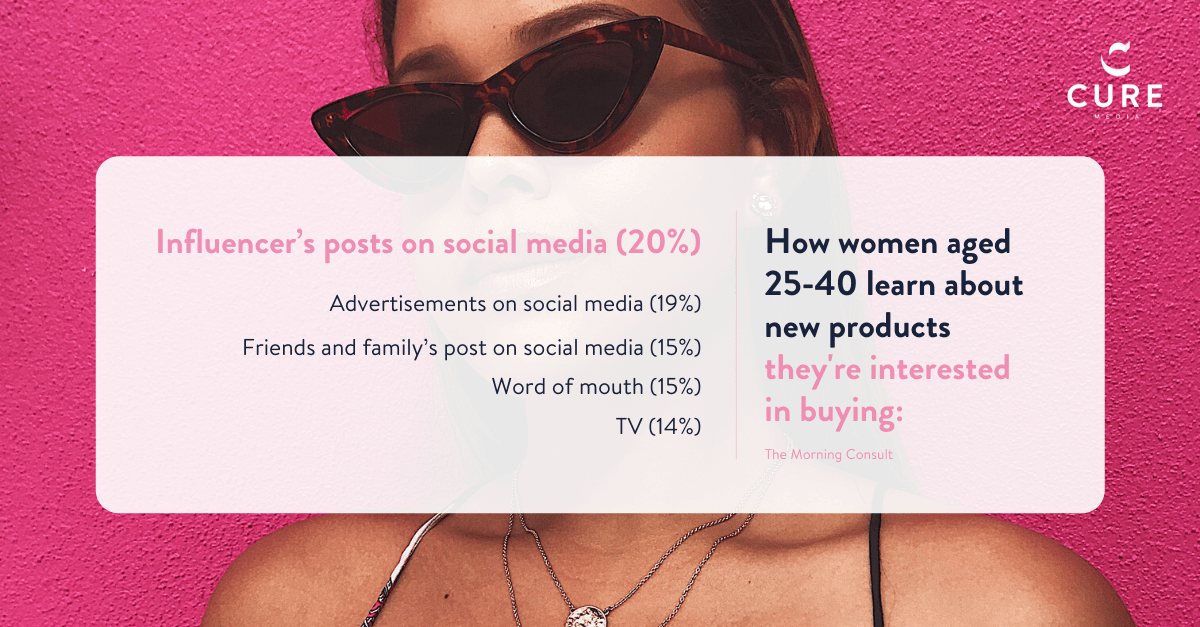
Secondly, you should take advantage of influencer marketing to speak about your brand and brand values. Influencers have years of experience in what content their followers relate to and engage with. Something that many forget is that building your brand awareness over time will eventually lead to increased sales figures.
But it doesn’t end there! You can incorporate influencer content into your social strategy in both organic and paid channels. This approach can be extremely effective, and some fashion brands are really successful working this way. Use influencer marketing to engage and reach your target audience, e.g. host a liveshopping where customers can see how your products look and shop directly from it, leverage the power of user generated content on your website, and use influencer’s content to create shoppable ads. On Instagram, you can tag your product directly in the ad.
In summary, for media consumption trends in 2022, consumers who follow influencers perceive marketing from them more authentic than if it comes from the brand itself. Talk to them where they spend time and with relevant marketing that speaks to their values. Focus on building brand awareness as this will result in increased sales over time. Be authentic and add a human element wherever possible.
Source: www.curemedia.com