As we enter a new year, the question of what consumers really want is on every marketer’s mind. Delivering on what consumers want has become the new business battle ground. The key thing to focus on is meeting consumers where they are and impressing them with information over superficiality.
Trend 1: A Hybrid View of Shopping
The pandemic has changed the way people are shopping, but not in the cut-and-dry way you might think. The future of shopping won’t be as simple as a switch to online while brick-and-mortar stores become the stuff of nostalgia.
In fact, 48% of consumers still prefer in-person shopping because they can see and feel products, and even those who prefer online shopping indicate that they don’t do it exclusively.
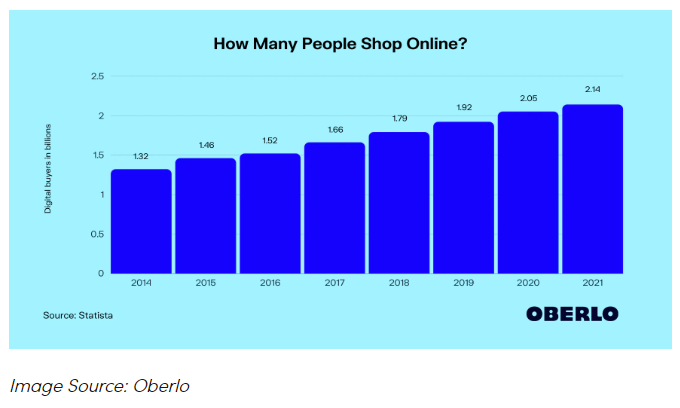
But that’s not to say online shopping isn’t on the rise. For example, there was a 4.4 YoY increase in online shoppers from 2020 to 2021. That’s 900 million more people!
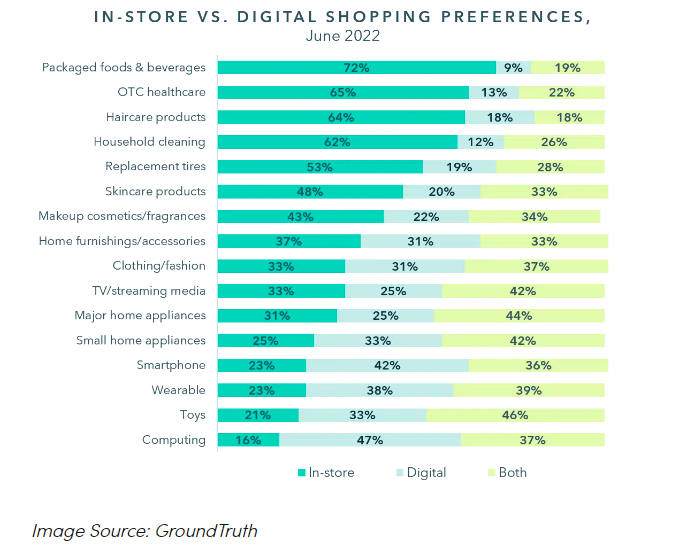
The decision to buy online won’t be dictated by product type. Instead, it will just depend on what the consumer wants at that time. For example: people have been buying gadgets from Amazon for years. It’s the kind of thing people bought online.
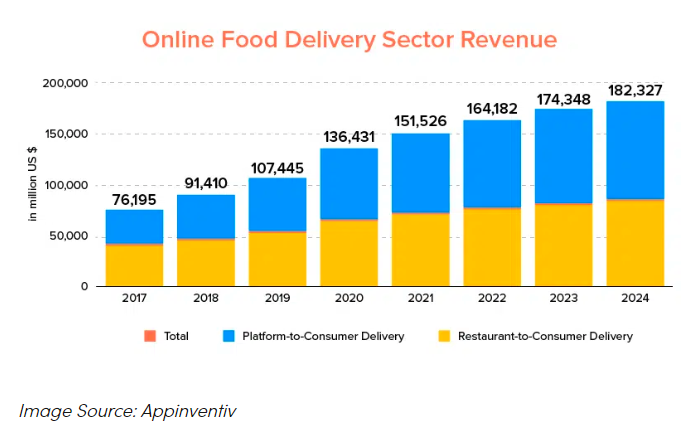
But grocery delivery? That was a service generally used by more niche consumer groups, like older people or young professionals living in cities without cars. Most people just went to the grocery store. Now, online grocery delivery orders are for the masses.
But that doesn’t mean people will use it exclusively. A more likely scenario is that they’ll take advantage of both options, choosing the one that works best for the situation. Whatever the scenario, the key will be options.
Trend 2: Craving Convenience
Brands have had to get creative in a time when business models were turned upside down due to social distancing precautions. The past year saw upscale sit-down restaurants offering takeout, retailers adding curbside pickup options, and hygiene-motivated measures like cashless payment and contactless delivery gaining momentum.
Consumers are unlikely to want to let go of these conveniences going forward. 44% of people still prefer to eat at home, whether it’s a home cooked meal or takeout.
As pandemic safety measures ease, brands will need to think about how they’ll resume normal operations while also offering the added convenience options consumers are now accustomed to and likely to continue demanding.
The behavior trend: consumers will choose brands who offer multiple convenient service options.
Trend 3: Homes Become Hubs
Home used to be where people went when they weren’t doing other things. Now? It’s where we can do just about everything. The average North American consumer spends 90% of their time indoors!
What we do in our homes has permanently changed. Accenture found that 46% of people plan to work remotely more frequently going forward. Sales of expensive in-home gym equipment like treadmills and stationary bikes grew exponentially in 2020 as people worked out at home.
Smartphones, tablets, and other devices have enabled us to talk face-to-face with family and friends from a distance. Today, we’re fully assimilated into socializing that way.
Now that consumers have invested in their at-home activities, it’s likely we’ll see them stick around post-pandemic. Brands whose products can benefit from this trend (like home office furniture) can capitalize, while brands whose traditional business models depended on customers coming to them will have to adjust (like gyms offering both in-person and virtual fitness classes).
The takeaway trend: consumers will enjoy the return to normalcy, but they’ll still be doing more from home.
Trend 4: Loyalty isn’t a Given
Building customer loyalty has long been one of the surest ways to drive revenue and sales. But is customer loyalty to brands seeing a downturn?
Raydiant’s State of Consumer Behavior 2021 report found that 48% of consumers have replaced a product they typically purchase in-store with an online alternative during the pandemic. About a quarter of consumers report they’re switching bands more often than ever before.
These may not be majority percentages, but they’re significant ones.The hard truth for brands is that it doesn’t really matter what the original reason behind the brand switch was. All that matters is whether or not the customer now prefers that new brand.
Consumers are depending more and more on reviews to make their buying choices as well. 89% of customers will read reviews before making a purchase. Set yourself apart from the competition by collecting a bank of customer testimonials. Thanks to a higher-than-ever online presence from brands across industries and increased conveniences like faster shipping times overall (even same-day in many cases), consumers have more choices and better access to their options than they ever have before.
The resulting behavior trend? Consumers will try more options, and they’ll choose the one they like best regardless of previous purchase history.
Trend 5: Customers Want Value — in More Ways than One
Quality products and customer experiences aren’t the only places consumers are seeking value. Consumers today want to buy from brands that also align with them personally.
Sustainability is one of the hottest topics in the retail industry. Searches for sustainable products have increased 70% since 2016.
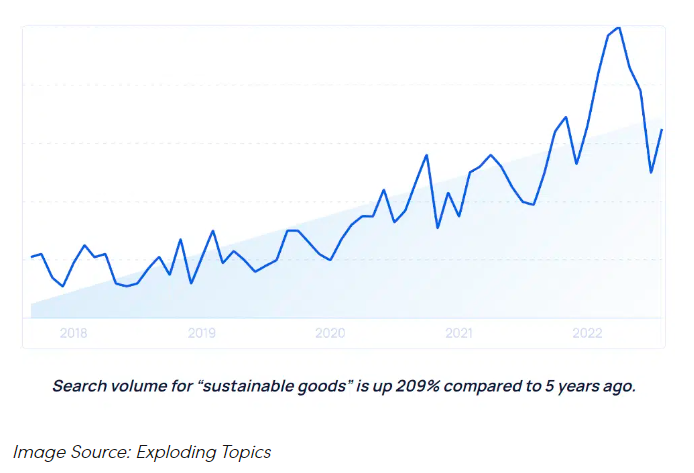
This isn’t a totally new phenomenon. But consumers now look more closely than ever at the way companies view and address social issues as well as implement environmentally-friendly practices — 89% of consumers are more likely to purchase from a brand they feel makes a positive impact.
A lot of companies have implemented means of showing consumers how eco-friendly they are. For example, say you make a purchase on Etsy. When you check your digital receipt you’ll see a note at the bottom to remind you that the company offsets the carbon emissions for every delivery.
The behavior trend to watch: consumers will seek authentic, transparent brands in an effort to make their buying decisions meaningful.
Source : https://marketinginsidergroup.com